


Article
Benefits of Feeding Transition Milk for Longer
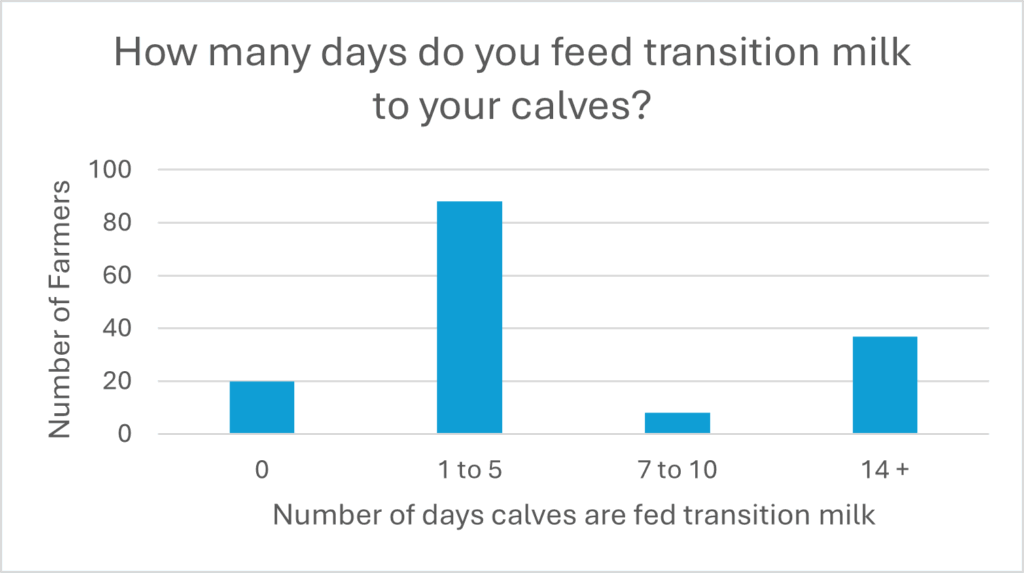
In a recent survey by Bonanza Calf Nutrition of 153 farmers, it was found that over 57% of the farmers only practice feeding transition milk up to day five of the calf’s life – typically the first 5-6 milkings after colostrum. However, new research suggests longer feeding may offer better results.
Scientific Evidence Supporting Extended Transition Milk Feeding
A recent study by (Kargar et al,. 2021) revealed the value of extended transition milk feeding. They found that calves fed on transition milk for longer periods shows better growth and performance. They were also less likely to develop scour.
Researchers monitored 84 Holstein heifer calves over a 21 day period. Calves fed transition milk gained more body weight compared with to the control group during the postweaning and overall periods.
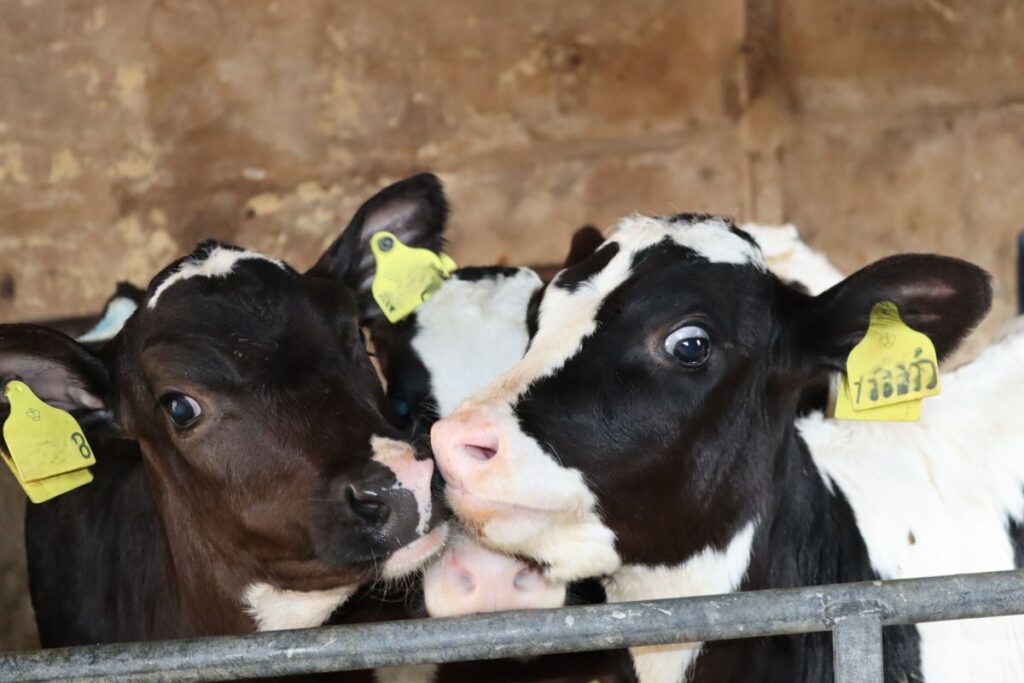
Repeated feeding of transition milk helps to promote intestinal development and protects the calf against pathogens. Lining the gut with transition milk tops up the nutrients and bioactive material to nourish the intestinal wall.
The calves in the study were also shown to be less susceptible to scour compared to the control group.
Transition milk contains immunostimulants, prebiotics and bioactive ingredients that aren’t found in whole milk. Therefore the calves fed on transition milk have enhanced immunity and gut microbiome development.
For practical reasons it is not always possible to extend the feeding of cow transition milk and there is also the risk of spreading milk-borne diseases such as Johnes and mycoplasma from cow to calf.
Bonanza Calf Nutrition are pioneers in the transition milk replacement industry, celebrating their 10 year anniversary in 2025 for producing Transformula, the first transition milk replacer on the market.
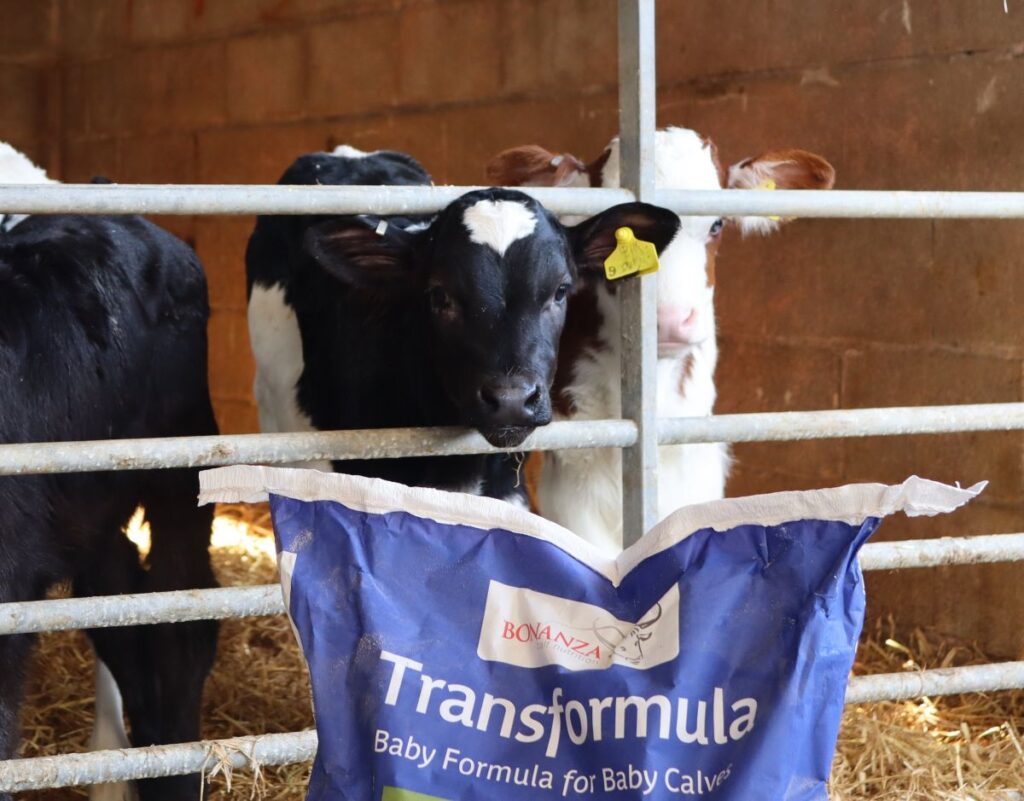
It contains ingredients that help protect and develop the small intestine, improving health, weight gains, and general contentment in calves which would otherwise receive regular milk replacer.
It also offers a means of extending transition milk feeding once the cow has finished producing it.
Source: Extended transition milk feeding for 3 weeks improves growth performance and reduces the susceptibility to diarrhoea in newborn female Holstein calves. (Kargar., et al 2021)