


Article
How to get the best out of automatic calf feeders: Part 1
An automatic calf feeder can be a powerful tool for feeding large numbers of calves efficiently. They help reduce manual labor and improve consistency. But to fully benefit, careful setup, calibration, and monitoring of the automatic calf feeder are essential.
There are important protocols that need to be followed to maximise the benefits these machines offer. As well as to avoid issues with animal health and performance.
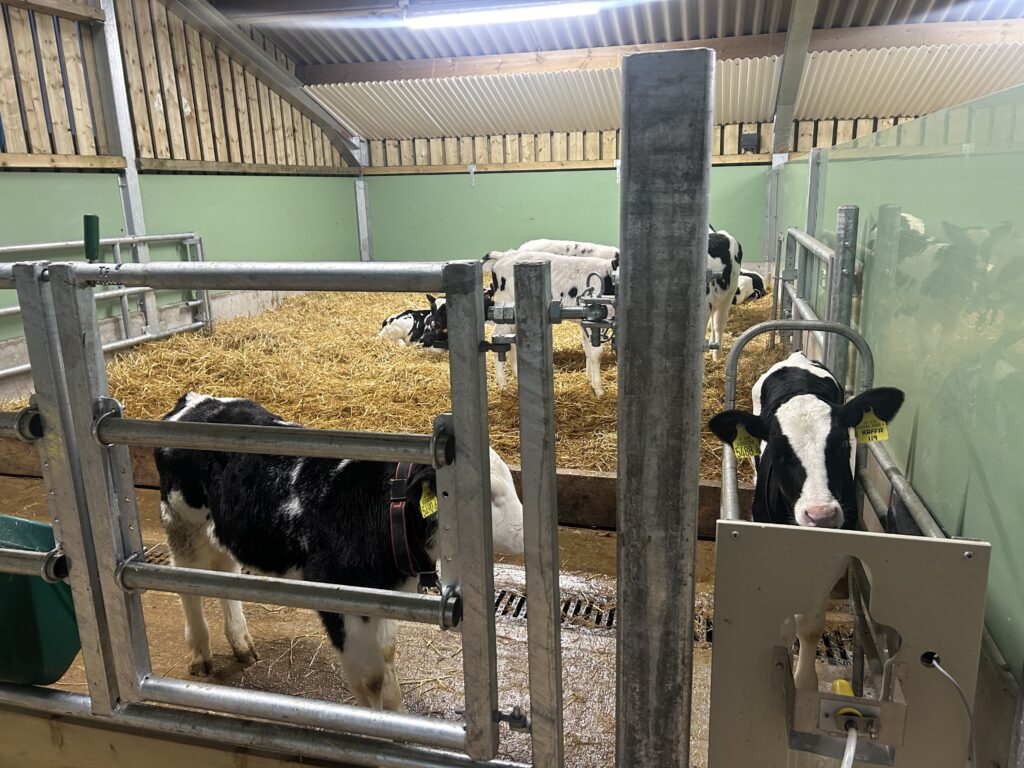
Calf rearers often assume that an automatic calf feeder will always mix correctly. However, that is not always the case and therefore regular checks should be made.
It is also wrong to assume that every calf has had sufficient intakes, is satisfied and content, and healthy.
The default feed curve might also be the wrong fit for the farm, so this needs to be checked.
Key Considerations
There are several key considerations with automatic calf feeding systems. We look at some of these.
• Take time to understand how the feeder operates
• Ensure proper training is provided on how to operate the feeder – it should never be a case of installing the machine and letting it do the work.
• Setting up the right feed curve is vital or calves will underperform. Consider what age calves will be introduced to the feeder – for example, they may already be a fortnight old when this happens, and the feed plan won’t take this into account, and this will unnecessarily delay weaning.
• There could be merit in setting up two feed curves, for example, one for replacement heifers that will remain on the farm and another for beef calves that will be sold.
• An automatic feeding system allows for very gradual weaning, which can work very well, especially when calves are consuming large volumes of milk. Take advantage of this feature as it will greatly encourage dry feed intakes and aid rumen development.
• Allocated portion size is very important too. It can be the wrong approach to assume that little and often is best. The aim should be to ensure calves are satisfied with their milk allocation. A good indicator of this is that they are not standing around waiting for their next feed time, when they could be exploring dry feed or resting. Perhaps instead, offer a minimum intake of 2 litres and a maximum of 3.5 litres.
Calibration and milk solids
Data from the automatic feeder might suggest that each calf is receiving a certain quantity of powder per litre of water, but is this correct? It is vitally important that the feeder is calibrated and regularly checked to ensure the right mix. Calf milk replacer (CMR) brands can differentiate in terms of weight, or there might not be enough water entering the machine to make up the correct mix. This is why a header tank is very useful. As is true for manually-fed calves, inconsistencies in the mixing of powder may cause stress, bloat and other digestive issues.
A refractometer is a must with any automatic calf feeder. It is important as it allows for a quick check to establish if the correct solids are being fed.
If the machine is set at 125g/litre, the refractometer should read 12.5% brix. If not, the machine will need to be calibrated.
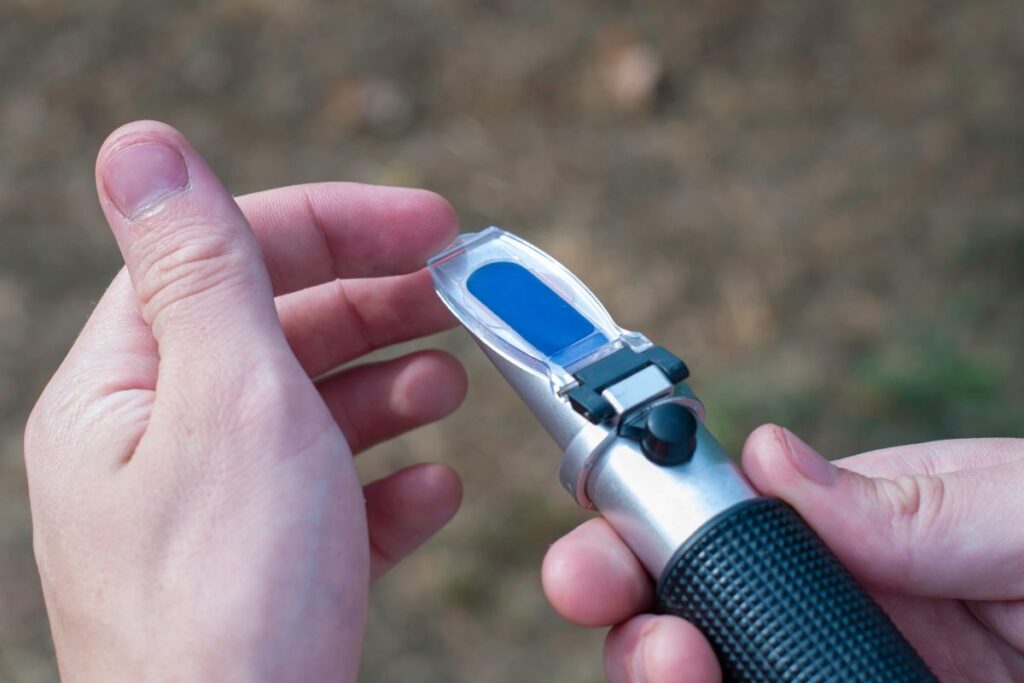
When calibrating solids, also bear in mind that some machines add a litre of water to the powder and others will make the powder up to a litre, giving two different solid contents. Know which you are working with.
Choosing the right milk replacer
Select a suitable milk powder that will flow correctly in the machine and provide calves with the best source of good-quality milk-derived ingredients and an excellent health package.
Key takeaways
• Check that the feeder is mixing correctly
• Don’t assume calves have consumed their milk
• Is the default feed curve the right fit for the farm?
• Ensure calves are healthy and satisfied and content
Read part two of our series on automatic feeding here
Very good information and needs acting upon.