


Article
Preventing bacteria contaminating colostrum and transition milk produced in robotic milking systems
Colostrum hygiene in robotic milking systems is essential for calf health and performance. Harvesting colostrum quickly and hygienically after calving ensures calves receive vital antibodies while reducing the risk of bacterial contamination.
Why clean colostrum matters
It is important that calves receive premium natural ingredients in every mouthful of colostrum, not germs. Germs can accumulate when colostrum is harvested and stored in a way that allows bacteria to proliferate.
Freshly produced colostrum from a healthy cow will contain some beneficial bacteria. How it is handled will determine the total TBC load and the germs the calves are exposed to in that feed.
Bacteria can bind to immunoglobulin G (IgG), a vital antibody present in colostrum and transition milk. This reduces the calf’s ability to absorb IgG. The bacteria can also damage the epithelial cells in the intestine, lowering permeability and blocking antibodies.
Colostrum hygiene challenges in robotic milking systems
Colostrum collected using a portable milker or in the milking parlour is done so manually and generally at a set time. The colostrum is often fed soon after milking, limiting bacterial growth unless there’s excess, which is saved for the next feed.
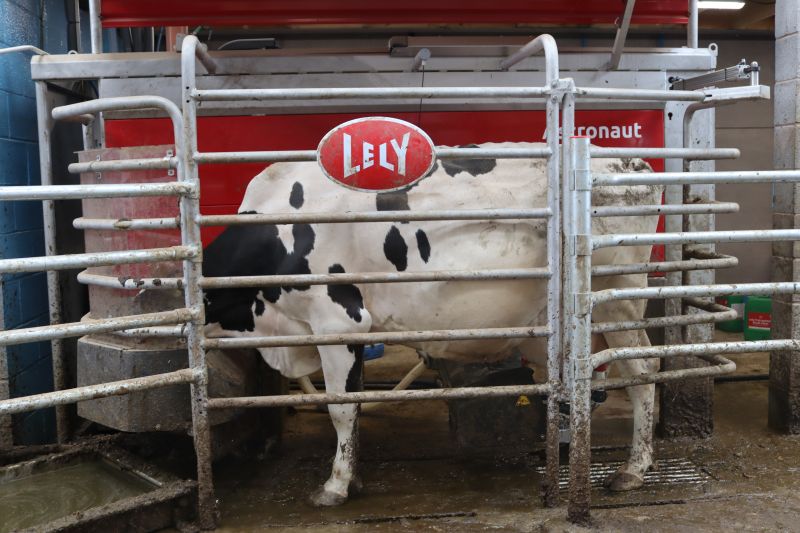
Robotic milking systems are different. Cows choose the time and frequency of their milking, making it harder to control when colostrum is collected. As a result, colostrum and transition milk may sit in collection buckets for long periods without refrigeration, giving bacteria time to multiply. In young calves, should the gastrointestinal tract lining become damaged by infection, bacteria from the intestines can move into the bloodstream and the calf will become septic.
At ambient temperatures, bacteria can double every 20 minutes Hyde et al. (2020) Since colostrum is produced at body temperature, it offers ideal conditions for bacterial growth. To avoid this, colostrum should be fed immediately or cooled as soon as possible and stored in a refrigerator.
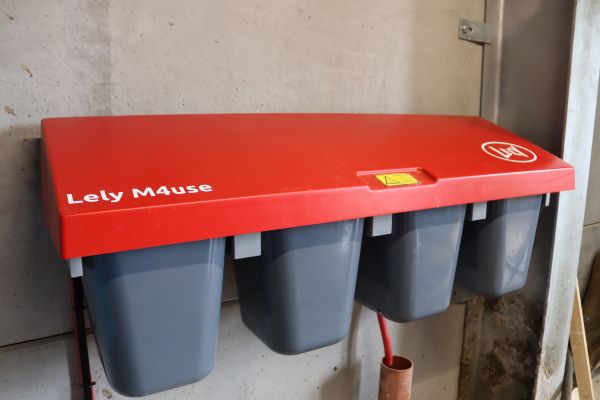
Best practices for collection and storage
Preventing bacterial contamination begins with excellent hygiene:
• Always clean and disinfect equipment thoroughly.
• Collect colostrum by hand whenever possible.
• Use clean, sanitised buckets and feeding tools.
Research conducted by MSD animal health in the Netherlands showed colostral IgG concentrations to be significantly lower when colostrum was collected using robotic milking systems. The study suggested that incomplete removal of the flushing fluid in the separation lines diluted the colostrum.
What the research shows
A study by Hyde et al. (2020) analysed 328 colostrum samples from 56 British dairy farms. They looked at the total bacterial counts (TBC) and coliform counts (CC). It showed that colostrum harvested directly from cows’ teats had a reduced TBC and CC compared to colostrum samples taken from collection buckets and feeding equipment.
The majority of the herds in this study were milked in a parlour but some used robotic systems. Both systems resulted in higher levels of bacterial contamination compared to colostrum direct from the teat. However, the colostrum produced in the robot milking systems had particularly high levels of contamination.
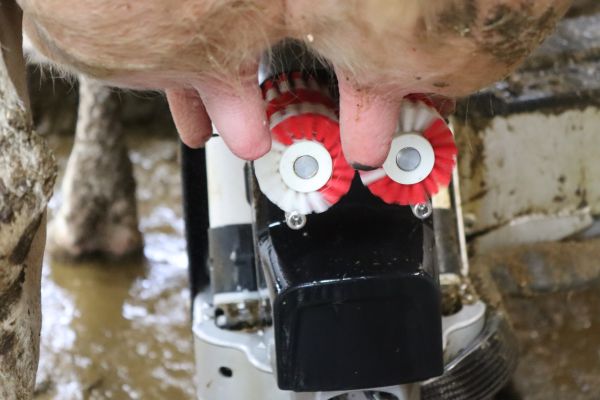
The researcher suggested that this could be explained by how the robot settings were configured for colostrum collection. The default setting for routine milk collection was a full machine wash in combination with pre-milking teat cleaning prior to milking, but this was often not performed before colostrum was collected.
Setting robots for success
It is recommended that all robot settings are checked and set appropriately so they perform optimally for collecting colostrum and transition milk. This helps to avoid unnecessary contamination and ill effects to baby calves.
If colostrum/transition milk is harvested from a clean udder using a properly cleaned milking unit and stored in sanitised containers, the bacterial count should remain low. Feeding equipment must also be kept clean to maintain hygiene throughout the process.
When hygiene is not feasible
If it’s not practical to handle transition milk hygienically, a transition milk replacer is a good disease-free and hygienic alternative feed for baby calves during the first important weeks of life.