


Article
Abomasal Bloat in Calves: Prevention Starts with Management
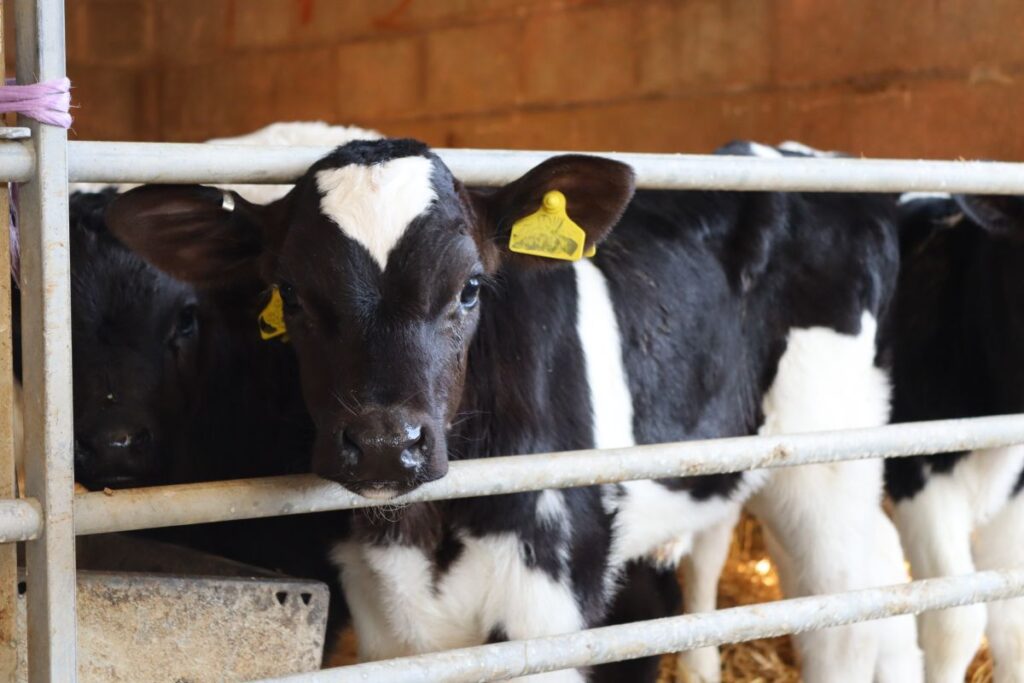
Sarcina-associated bloat is an increasingly recognised and often sudden cause of death in young calves. It can be frustrating for farmers, as calves may appear completely normal one moment and be found dead the next.
While the bacteria involved—Sarcina ventriculi—play a role, the real cause is usually a combination of management, environment, and calf resilience. In most cases, it’s not one issue but several factors coming together that leads to problems.
What is Sarcina-associated Bloat?
Sarcina bloat occurs when gas builds up rapidly in the abomasum. Sarcina ventriculi can ferment milk and produce gas. If that gas cannot escape, the stomach becomes distended, leading to discomfort, breathing difficulty, and often sudden death.
Post-mortem findings typically include a swollen, gas-filled abomasum and sometimes damage to the stomach lining.
However, Sarcina bacteria are not always the root cause—they tend to take advantage of calves where digestion is already not functioning properly.
Why Young Calves Are at Risk
Young calves are particularly vulnerable because their digestive systems and immune systems are still developing. They also rely heavily on milk, which can ferment if not digested efficiently.
Anything that disrupts digestion—such as stress, illness, or inconsistent feeding—can increase the risk of bloat.
The Role of Immune Status
A calf’s immune status is a key piece of the puzzle.
Calves that do not receive enough high-quality colostrum and transition milk are more likely to suffer from diseases such as scour, including infections caused by Escherichia coli or rotavirus. These illnesses don’t just cause diarrhoea—they also affect how the stomach works.
When calves are unwell or have poor immunity:
- • appetite often drops or becomes irregular
- • feeding patterns become inconsistent
- • gut movement slows down
Slower digestion means milk stays in the abomasum for longer, giving bacteria more opportunity to ferment it and produce gas.
In simple terms, a healthy calf can keep these bacteria under control. A compromised calf cannot.
Why Environment and Wet Conditions Matter
Wet and dirty environments are major contributors to Sarcina bloat. Moisture itself doesn’t cause the disease, but it creates the conditions where problems develop.
Wet bedding and muddy pens allow bacteria to multiply quickly. Damp straw becomes contaminated, faeces spread more easily, and calves are more likely to ingest harmful microbes. This increases overall disease pressure.
Wet calves are also more prone to cold stress. They lose heat rapidly, particularly in windy conditions, which increases energy demands and reduces immune function. Digestion is also affected, meaning milk is not processed as efficiently.
Calves kept in poor conditions often eat less starter feed. This delays rumen development and increases reliance on milk digestion, raising the risk of abomasal problems.
Hygiene: The Cornerstone of Prevention
Good hygiene is one of the most effective ways to reduce the risk of Sarcina bloat.
Keeping bedding clean and dry, regularly cleaning feeding equipment, preventing contamination of milk and water, and isolating sick calves quickly all help reduce both bacterial exposure and disease pressure.
Dirty conditions increase two key drivers of bloat: infection risk and digestive disruption.
Automatic Feeders: Useful Tool or Hidden Risk?
Automatic feeders can work very well, but they require careful management. If standards slip, they can increase the risk of Sarcina bloat.
Problems tend to arise where hygiene is poor, feeding behaviour becomes irregular, or equipment is not properly maintained. Milk lines, teats, and mixing bowls can harbour bacteria if not cleaned thoroughly. Warm milk residues create ideal conditions for bacterial growth, particularly in damp environments.
Calibration errors are another risk. Milk that is too concentrated or inconsistent can upset digestion, and these issues may go unnoticed if systems are not regularly checked. In addition, group housing increases disease spread, and sick calves are more prone to digestive problems.
The key point is simple: Automatic feeders don’t cause bloat—but poor management of them can create the conditions where it occurs.
Evidence from Research: Bucket vs Automated Feeding
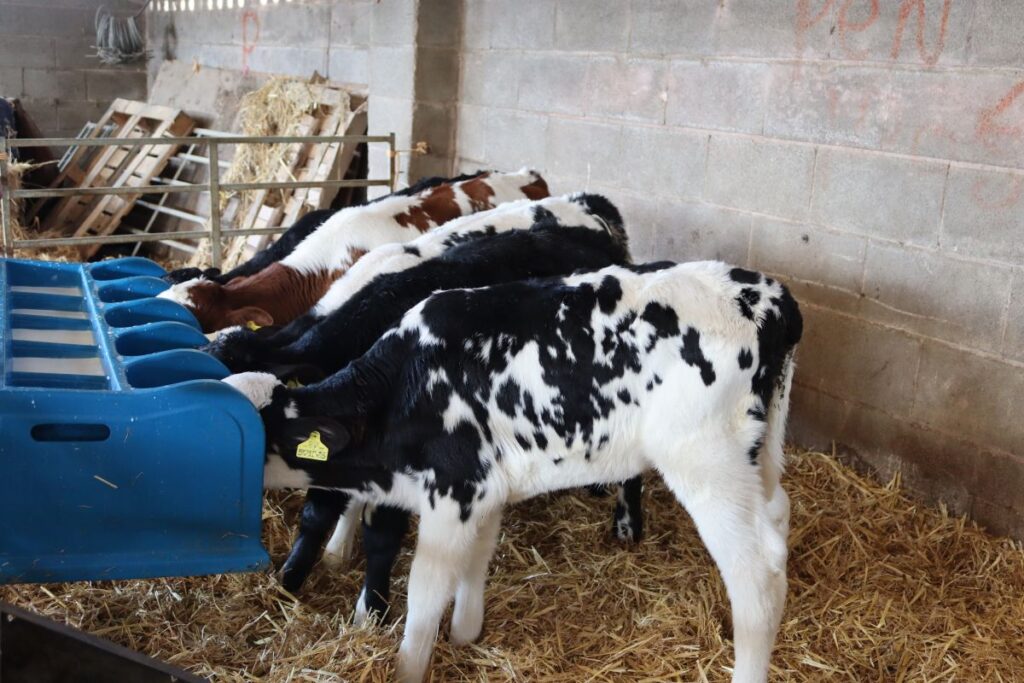
Work involving the University of Liverpool compared calves reared on automated feeders with those fed individually by bucket.
Calves on automated systems had:
- • 4× higher risk of scour
- • 6× higher risk of pneumonia
This wasn’t due to the feeder alone, but the system around it.
Key risk factors included:
- • shared teats spreading infection
- • group housing from an early age
- • wetter bedding conditions
- • less control over individual intake
Bucket-fed calves benefited from:
- • tighter control of feeding
- • easier monitoring of appetite
- • cleaner, individual feeding equipment
The key takeaway is simple: it’s not the feeder—it’s the level of control.
Where intake, hygiene, and grouping are well managed, automated feeders can work very well. But where control is lost, disease risk increases—and with it, the likelihood of digestive problems such as sarcina bloat.
Group Size
Some calves may consume large volumes too quickly in a single visit, especially where group sizes are large and competition at the feeder increases. This “gulp feeding” slows abomasal emptying and increases the risk of fermentation. This leads to greater variation in intake patterns and increased social stress. Queuing around feeders can also create wet, muddy areas, further increasing bacterial exposure
Age Spread Within Pens
Variation in age within a group is another important factor. Younger or smaller calves placed into groups with older animals often struggle with access to feeders and consistent intake.
These calves are more likely to:
- • be displaced from feeders
- • have longer intervals between feeds
- • compensate by drinking larger volumes
This inconsistency significantly increases the risk of digestive upset and fermentation.
Water Intake: An Overlooked Factor
Water provision is often underestimated but has an important indirect effect on sarcina risk.
Adequate water intake supports rumen development, encourages starter feed intake, and helps stabilise digestion. However, calves will avoid water if it is dirty, difficult to access, or excessively cold.
This becomes particularly important in cold or wet conditions. Reduced water intake slows rumen development, keeping calves reliant on milk digestion for longer and increasing pressure on the abomasum.
Providing clean, fresh water that is easily accessible and not excessively cold encourages earlier concentrate intake and helps move calves away from a high-risk, milk-dependent stage.
Milk Replacer: Getting the Basics Right
Milk replacer plays an important role in supporting good digestion.
Do:
- • Use a high-quality, milk-based replacer – Good clot formation
- • Mix accurately and consistently – variations in concentration alters how milk behaves in abomasum.
- • Feed at a consistent temperature (around 38–40°C)
- • Keep equipment clean
- • Feed smaller, regular meals where possible
- • Consistency is everything.
Don’t:
- • Guess measurements
- • Let milk sit in equipment
- • Feed cold or inconsistent milk
- • Ignore calibration issues
- • Rely on milk alone—encourage starter feed intake
- • Practical Take-Home Message
Sarcina bloat is best thought of as a “perfect storm” disease. It occurs when calves are immunologically vulnerable, the environment is wet and contaminated, and feeding or digestion is disrupted.
Prevention comes down to getting the basics right: good colostrum and transition milk management, dry housing, consistent feeding, and strict hygiene.
Key Message
Good digestion is your best defence—and good management is what protects it.