


Article
Practical Farm Guide to Colostrum & Transition Milk Management in Dairy Calves
Evidence-based practical guidance for dairy calf health, immunity, and performance
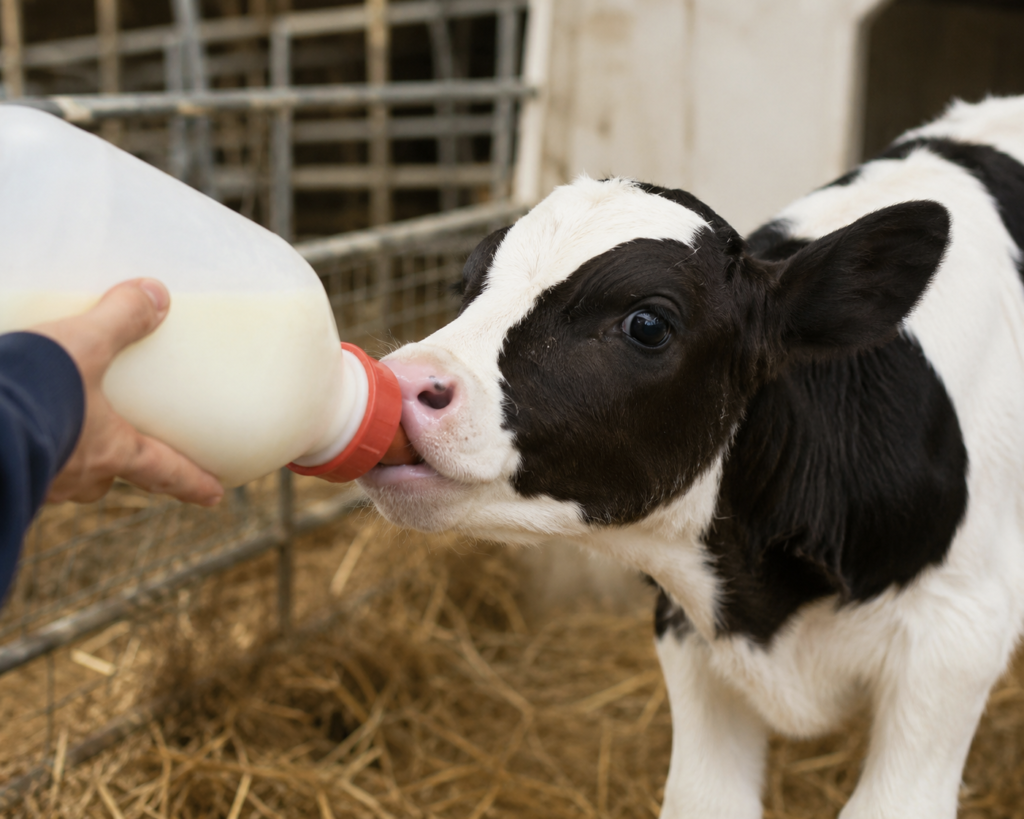
Inside this guide:
✔ Colostrum protocols
✔ Transition milk research
✔ Feeding schedules
✔ Hygiene SOPs
✔ Passive transfer monitoring
✔ Practical calf health recommendations
1. Why Colostrum Matters
Calves are born with little or no immunity and depend entirely on colostrum for passive transfer of antibodies. Good colostrum management improves calf survival, growth, disease resistance, and future productivity.
2. The 3 Qs & 1 H of Colostrum Management
• Quantity: Feed approximately 10% of bodyweight (typically 4 L for a 40kg Holstein calf).
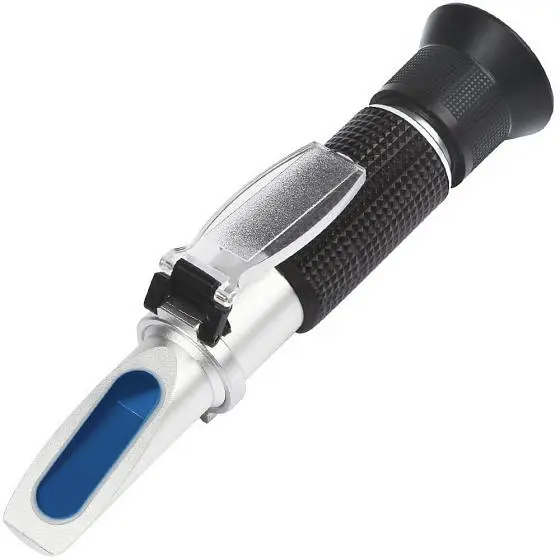
• Quality: Aim for >22% Brix using a digital refractometer.
• Quickly: Feed within 2 hours of birth, ideally within the first hour.
• Hygiene: Make sure you feed clean colostrum
3. Harvesting Colostrum
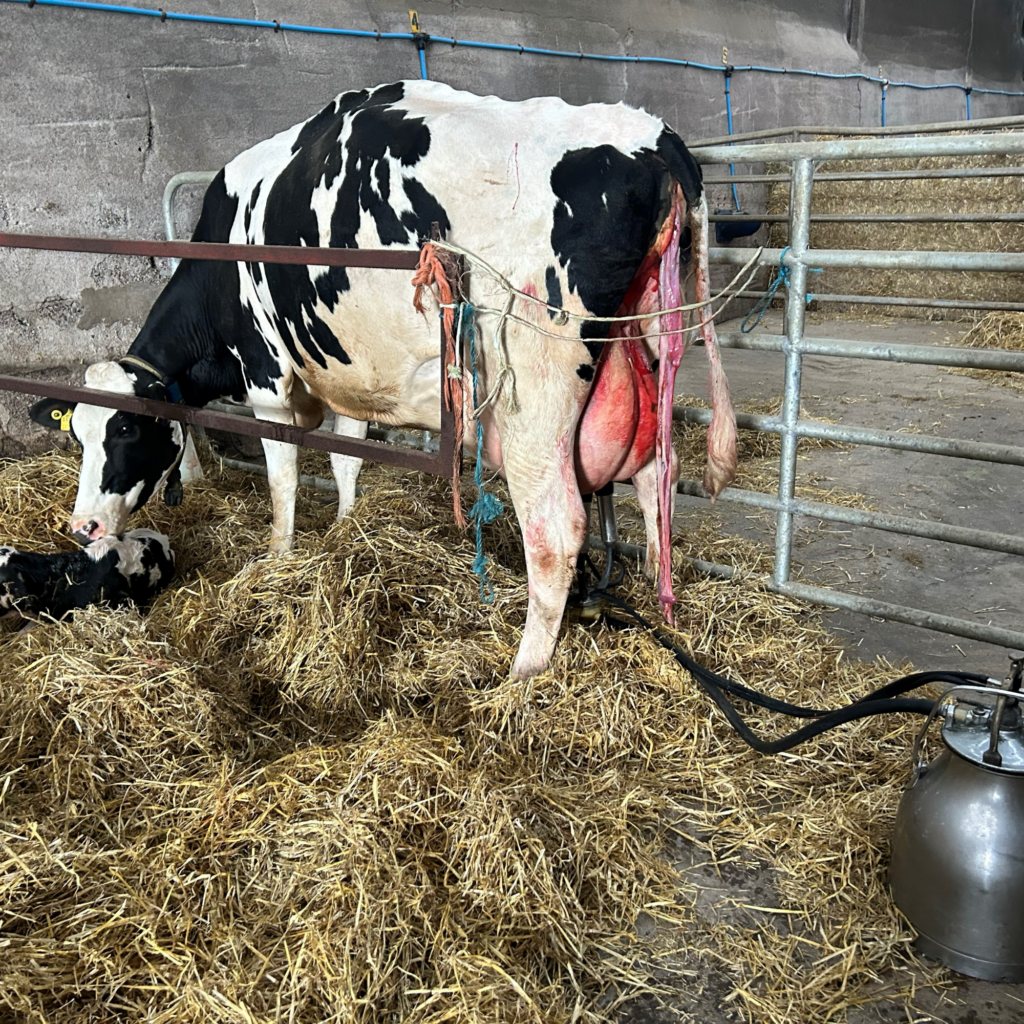
Always milk the cow as soon as possible after calving, as colostrum quality declines by approximately 4% for every hour collection is delayed. The highest-quality colostrum is obtained immediately after birth, before dilution from increasing milk production reduces immunoglobulin concentration. Early collection helps maximise antibody content and improves the likelihood of successful passive transfer in the calf.
4. Colostrum Feeding Protocol
• 4 L high-quality colostrum within 2 hours
• Second feed of 2–3 L within 6–12 hours
• Use clean feeding equipment
• Tube feed weak calves if necessary – helpful tip – Always try to get calf to suckle from teat prior to tubing as it will make suckling easier on 2nd feed.
5. Transition Milk – the natural follow-on from colostrum
Transition milk contains immunoglobulins, growth factors, hormones, and bioactive compounds that support gut development and immunity. Modern research increasingly supports feeding transition milk for at least 10 days and preferably longer where practical.
6. Recommended Colostrum + Transition Milk feeding Plan
| 𝐂𝐀𝐋𝐅 𝐀𝐆𝐄 | 𝐅𝐄𝐄𝐃𝐈𝐍𝐆 𝐑𝐄𝐂𝐎𝐌𝐌𝐄𝐍𝐃𝐀𝐓𝐈𝐎𝐍 |
| Birth | 4 L high-quality colostrum |
| 6–12 hours | 2–3 L second colostrum feed |
| Days 2–10 | Transition milk/Transition milk replacer |
| Days 10–21 | Continue transition milk if available or transition milk replacer |
| Post-transition period | Whole milk or milk replacer |
Why feed transition milk so long? – See below recent research on the effects of feeding Transition Milk to calves for extended periods
Recent research has strengthened evidence supporting extended transition milk feeding in dairy calves. Studies have shown improved calf health, gut development, immunity, growth rates, and long-term productivity outcomes when calves receive transition milk for at least 10 days and longer where practical.
Important Components of Transition Milk
| Component | Benefit to Calf |
| Immunoglobulins (IgG) | Immune protection |
| Oligosaccharides | Bind harmful pathogens, immune protection |
| Lactoferrin | Antibacterial activity |
| Growth factors | Gut development |
| Hormones | Tissue growth and maturation |
| Higher fat content | Energy supply |
| Higher protein content | Growth and muscle development |
Key Research Findings: Effect of feeding calves a transition milk replacer for first 10 days versus standard milk replacer on future performance
| Research Finding (Harpur Adams University) | Result |
| First lactation milk yield | +947 L milk |
| Milk solids production | +85 kg milk solids |
| Feeding period studied | First 10 days of life |
| Calf health outcomes | Improved gut health and immunity |
| Long-term impact | Improved lifetime productivity potential |
Combination of Key Findings: Effect of feeding transition milk on calf health
| Research Finding | Reported Benefit |
| Taller intestinal villi | Improved nutrient absorption |
| Thicker intestinal mucosa | Improved gut protection |
| Higher glucose concentrations | Improved energy status |
| Reduced scour incidence | Better calf health |
| Improved passive immunity support | Better disease resistance |
| Improved long-term productivity | Higher future milk yield potential |
Benefits of Extended Transition Milk Feeding
• Improved passive immunity
• Reduced scour incidence
• Improved gut development
• Better nutrient absorption
• Improved average daily gain
• Lower antibiotic use
• Improved calf vitality
• Better long-term milk production potential
• Reduced mortality rates
• Healthier calves
Key Take-Home Messages on transition milk
• Extended transition milk feeding is increasingly recognised as a major calf health tool.
• Transition milk supports gut development and immune function.
• Calves fed transition milk longer may grow better and stay healthier.
• Improved early-life nutrition is associated with improved future milk yield.
• Modern dairy systems increasingly recommend feeding transition milk for at least 10 days.
7. Hygiene Standards
Poor hygiene reduces antibody absorption and increases disease risk.
Clean all buckets, bottles, teats, feeding tubes, and storage containers thoroughly after every use.
8. Storage & Handling
• Refrigerate colostrum at 4°C and use within 24 hours.
• Freeze high-quality colostrum in labelled bags or bottles.
• To thaw – Warm slowly in warm water (40-50 deg)— avoid microwaving or overheating as this will denature the proteins.
9. Monitoring Passive Transfer
Blood sample calves at 24–48 hours. Target serum total protein:
• Excellent: >6.2 g/dL
• Good: >5.8 g/dL
• Poor: <5.8 g/dL
10. Key Take-Home Messages
• Feed adequate colostrum
• Harvest and Feed quickly
• Test quality
• Prioritise hygiene
• Feed transition milk for 10 days or longer
• Monitor passive transfer routinely
• Train staff to follow one consistent SOP
Research in This Guide
This guide incorporates practical and research-based recommendations from recent UK and international dairy calf studies.
Selected Research & Further Reading
• CalfChat articles on colostrum and transition milk management. https://calfchat.com/category/colostrum-transition-milk/
• Denholm K. et al. (2023). A survey of colostrum management practices on UK dairy farms.
• Dunn A. et al. (2017). Effect of concentrate supplementation during the dry period on colostrum quality and calf health.
• Kargar S. et al. (2020). Extended colostrum feeding for 2 weeks improves growth performance and reduces susceptibility to diarrhea and pneumonia in neonatal Holstein dairy calves. Journal of Dairy Science.
• Morrison S. (2021). Milk Transition Milk for All It’s Worth. W.H. Miner Institute.
• Harper Adams University transition milk trial reported by CalfChat and Bonanza Calf Nutrition.
• White T. (2024). The composition and benefits of transition milk.
• Davies R. et al. (2025). Impact of passive immunity and quality of transition milk on calf health and mortality.
Leave a Reply