weather

Breaking Them in Gently: First Grazing for Autumn-Born Calves

Turning autumn-born calves out to grass for the first time sets the tone for the grazing season. A gradual, well-managed introduction—using small areas, steady feeding, and calm weather—helps calves settle outdoors without stress and protects health and growth in early grazing.
Read more...

Keeping Calves Dry: Why Bedding, Air, and Weather Matter More Than You Think

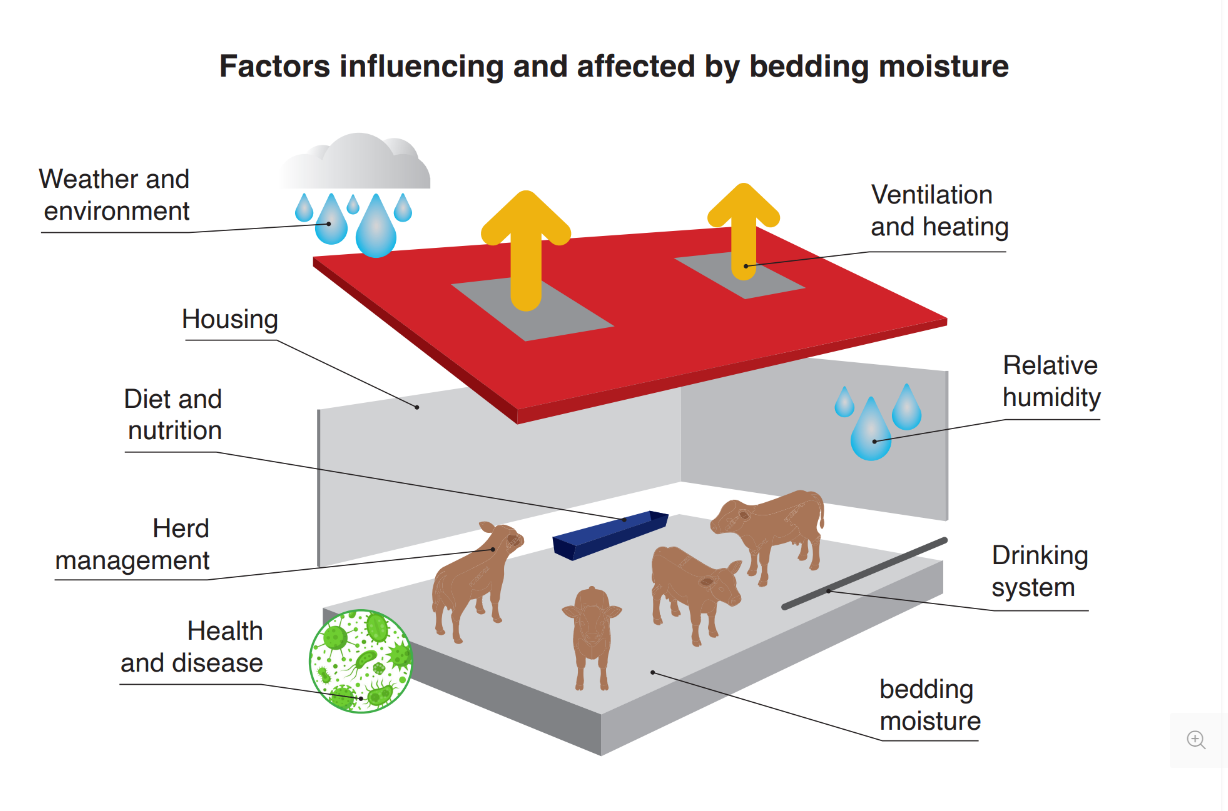
February and March 2026 has brought unusually wet weather across the UK and Ireland, pushing humidity levels in calf sheds to new highs. Wet air means wetter beds, damp boots, and moisture-laden equipment. With little natural drying from sun or wind, and poor airflow in closed sheds, the moisture builds up quickly, slowing evaporation and […]
Read more...

Lumpy Skin Disease

Lumpy skin disease (LSD) is a notifiable viral disease in cattle and water buffalo, spread mainly by biting insects. While it poses no risk to humans, LSD can cause severe economic losses through reduced milk production, trade restrictions, and cattle deaths. Learn about its symptoms, prevention, and control measures.
Read more...

Preventing heat stress in calves will protect growth rates

Calves are increasingly vulnerable to heat stress as hot summers become more common in the UK. Still, there are steps rearers can take to mitigate the impact on their youngstock, such as including additives in calf milk replacers [...]
Read more...

Reducing the effects of weather stress in calves

Changes in weather conditions can have an effect on calf health and performance, it is common to see a rise in pneumonia and rotavirus cases after a sudden change in weather conditions.
Read more...

Protect calf health from storms by adapting housing and rearing practices

Changes in weather can create the perfect storm for disease, even when rearers pay good attention to detail in their rearing practices. This article discusses how you can help protect calf health.
Read more...

Heat stress in calves

Heat stress occurs in calves when they absorb more heat than they can expel, leading to discomfort, reduced feed intake, [...]
Read more...